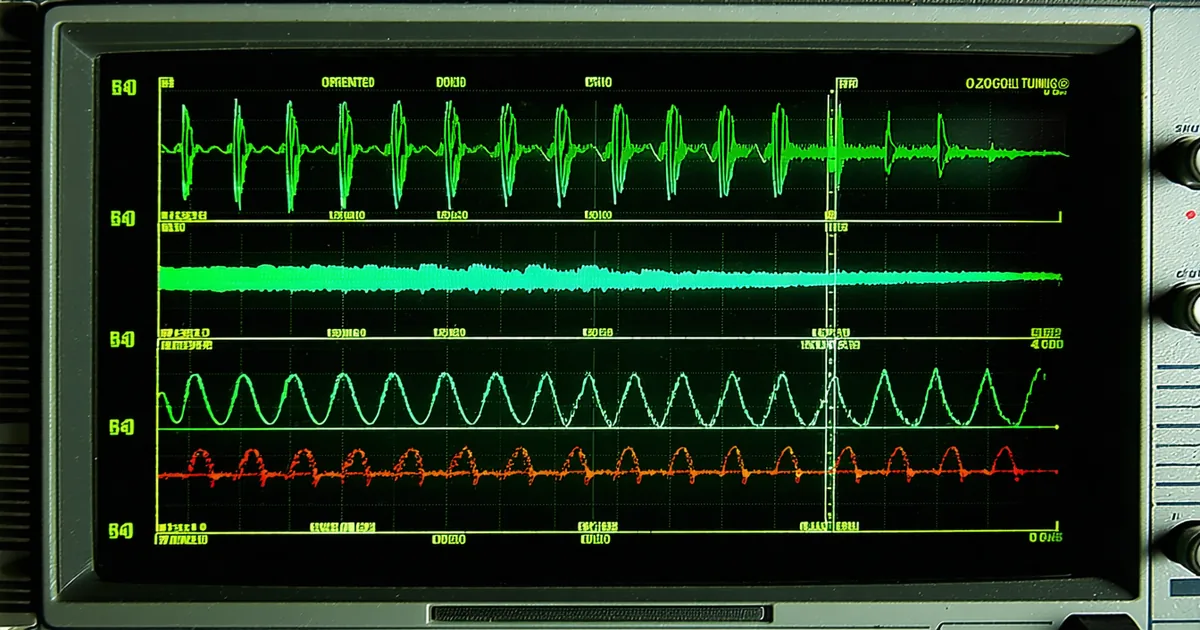
FOC Tuning for BLDC Actuators in High-Torque Joints
Field-oriented control tuning is non-trivial when your BLDC actuator operates at high torque density in a constrained thermal envelope.
Read postEngineering Blog
Technical writing from the Tendonkindle team. FOC tuning, mechanical design tradeoffs, firmware architecture, integration patterns. Written for engineers who build robots.
Field-oriented control tuning is non-trivial when your BLDC actuator operates at high torque density in a constrained thermal envelope.
Read post
Impedance control turns a stiff torque-controlled joint into a compliant one. Here's how we implement stiffness and damping coefficients as ROS 2 parameters.
Read post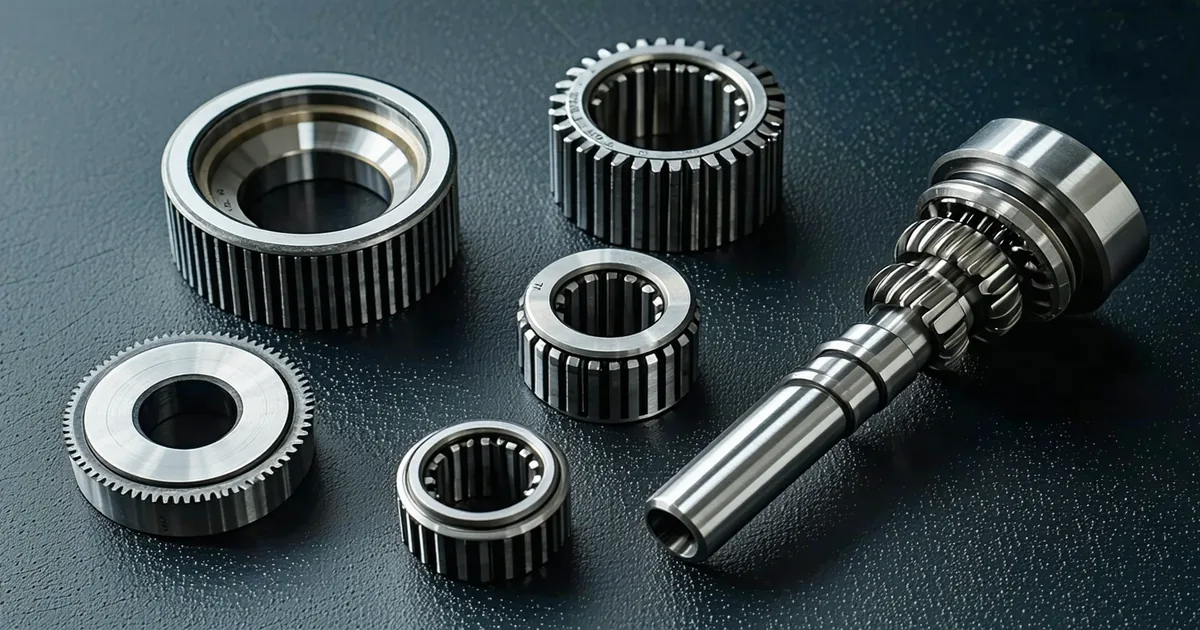
Harmonic drives have inherently low backdrivability due to their high gear ratios and friction. We explore the mechanical and control-layer techniques we use in the TK-120.
Read post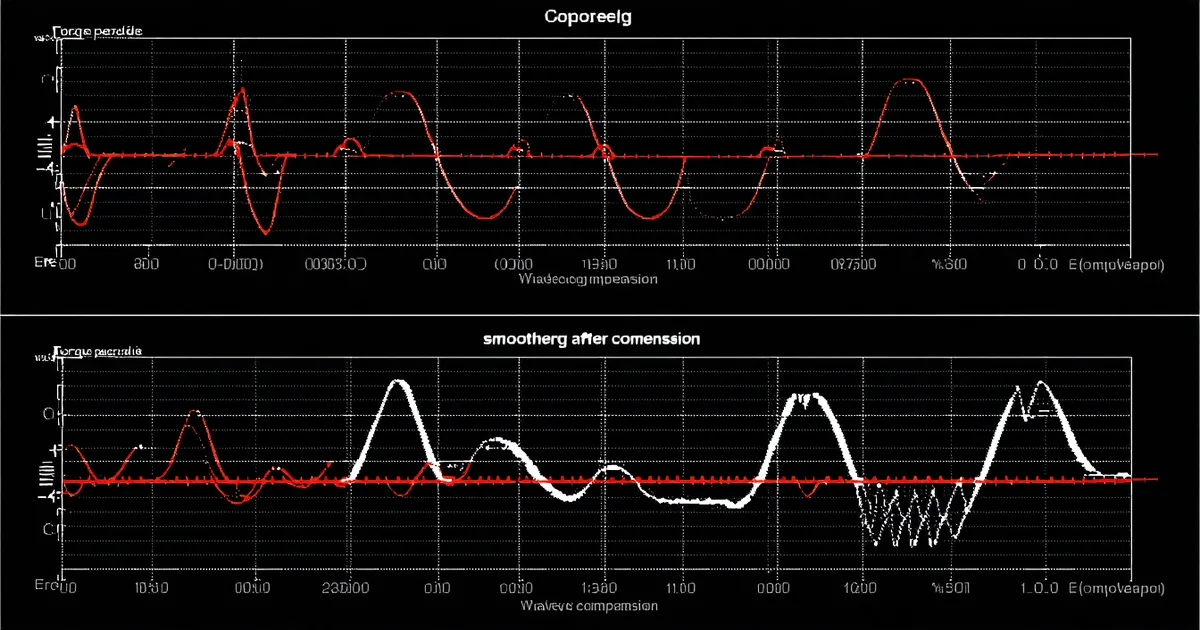
Cogging torque creates periodic torque ripple that degrades position tracking. We characterize the cogging profile and reduce peak cogging by 78% via harmonic injection.
Read post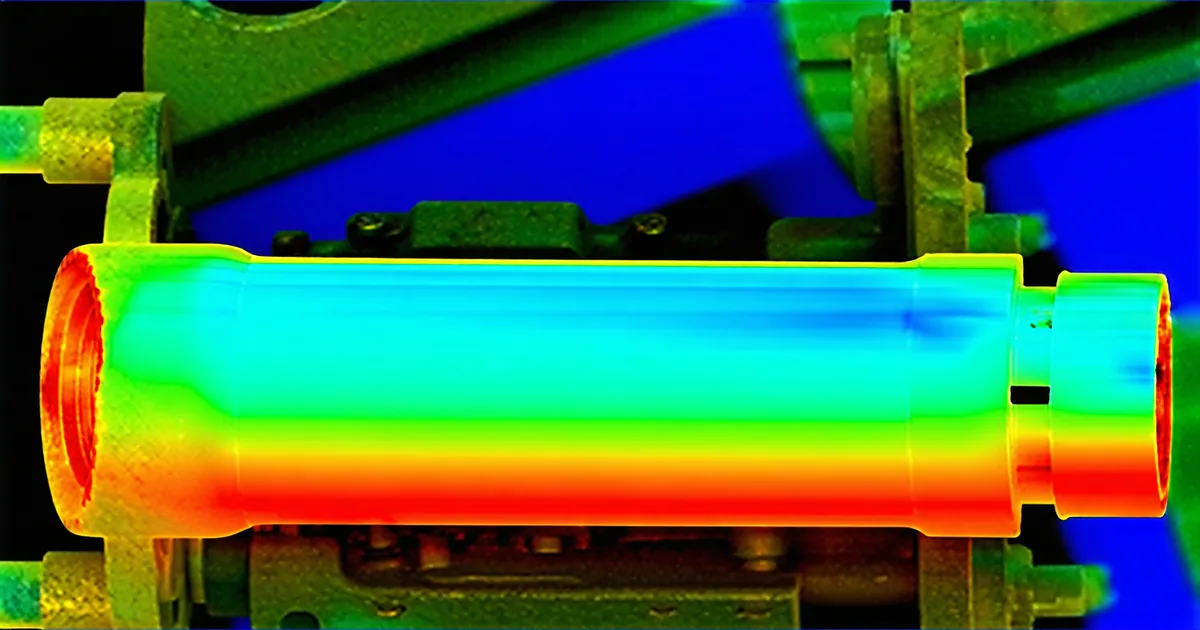
Compact joint actuators pack high power into small volumes. We measure thermal resistance, establish derating curves, and show how TK firmware implements NTC-based thermal protection.
Read post
Getting EtherCAT's sub-millisecond cycle times to play nicely with ROS 2's DDS middleware requires careful design. We detail the IgH master + ros2_control hardware interface.
Read post
We benchmark peak and continuous torque density across available compact joint actuators in the 100–500 mm OD range relevant to humanoid robot joint design.
Read post